
Shin Saimdang
Joseon-era artist, calligraphist, poet, and mother of Yi I.
Shin Saimdang (1504–1551) was a Korean artist, writer, calligrapher, and poet of the Joseon period. Born in Gangneung, Gangwon Province, she was raised in her maternal grandparents’ home, Ojukheon, which remains well-preserved. Her father, Shin Myeong-hwa, was a government official and friend of scholar Cho Kwangjo, but he was not politically active. Her mother, Lady Yi of the Yongin Yi clan, lived with her own parents after marriage, which gave her unusual autonomy in educating her daughters. Saimdang was the third of five daughters. Her maternal grandfather, Yi Sa-on, taught her as he would a grandson, and she gained deep knowledge of Neo-Confucianism, history, and literature—surprising her father’s visitors. She also learned the Thousand Character Classic and other texts from her father. Having no brothers, she received an education typically reserved for sons.
At seventeen, she married Yi Won-su, a man from a poor but distinguished family. Her father chose him because he would allow her to continue her artwork. She moved between her mother’s home in Gangneung and her husband’s house in Paju, later accompanying him to official posts in Hanseong and Pyeongchang. The couple had eight children: five boys and three girls. Her third son was the renowned Confucian scholar Yi I. She managed a new house in Hanseong at age thirty-eight, living there with her mother.
Saimdang did not easily obey her husband. She sent him away to study for ten years, and when he returned yearning for her, she threatened to cut off her hair if he did not study hard; he quit after three years. Their relationship worsened when Yi Won-su became involved with a kisaeng named Kwon. Saimdang strongly disapproved and asked him not to marry another woman after her death. She quoted Confucian scriptures to persuade him not to bring Kwon into their home. Her son Yi I, affected by his parents’ poor marriage, later desired a peaceful family life. Saimdang foresaw her own death and made her husband promise not to remarry. She is remembered as a model of Confucian ideals, with the respectful nickname “Eojin” (Wise Mother). Her pen names include Saim, Saimdang, Inimdang, and Imsajae.
- field
- Art, calligraphy, poetry, writing
- nationality
- Korean
- known_for
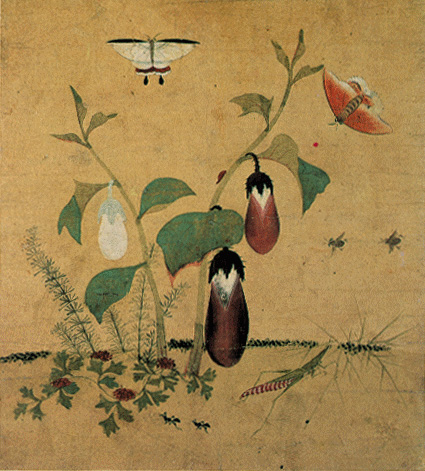
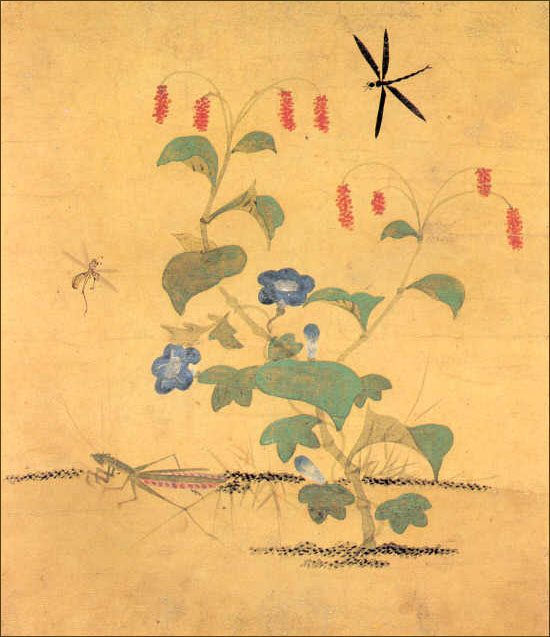
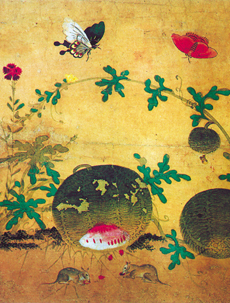
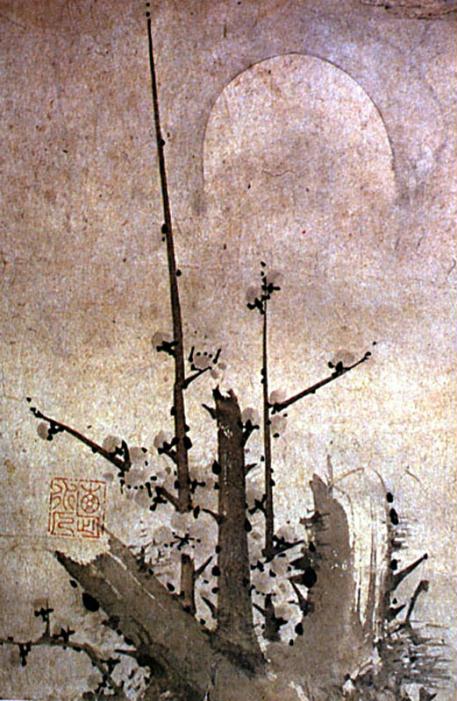
- Mother of Yi I; model of Confucian ideals; delicate ink paintings of insects, fl
Lore & Background
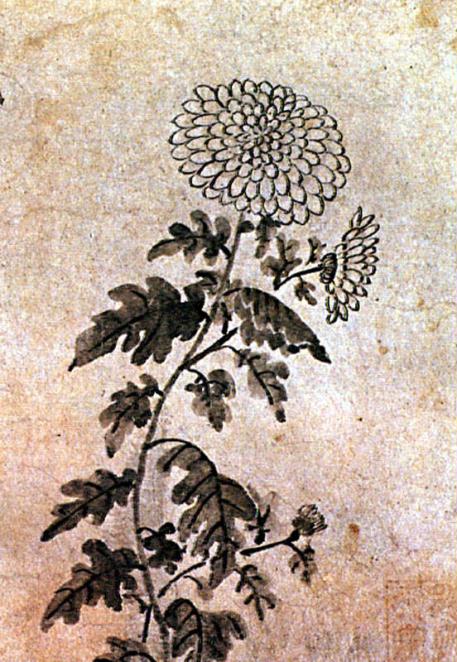
Shin Saimdang was born and raised in Gangneung at her maternal grandparents' home. Having no brothers, she received an education uncommon for women of her time, studying Neo-Confucianism, history, literature, calligraphy, embroidery, and painting. Her maternal grandfather, Yi Sa-on, taught her as he would a grandson. The couple had eight children. Saimdang moved between her parents' home and her husband's residences, including Hanseong and Pyeongchang. Her relationship with her husband was strained due to his involvement with a kisaeng named Kwon, which Saimdang strongly opposed. She died at age 46 while at her husband's post in Pyeongchang. Her artwork is known for delicate beauty, with themes including insects, flowers, butterflies, orchids, grapes, fish, and landscapes. Approximately 40 paintings remain.
Reader's Guide
Shin Saimdang is significant as a rare example of a Joseon-era woman who achieved recognition in multiple arts—painting, calligraphy, and poetry—despite societal restrictions. Her ability to develop her talents was aided by having no brothers, living at her maternal home, and a father who selected a husband supportive of her work. She is often held up as a model of Confucian ideals, particularly as a wise mother who educated her children, including the prominent scholar Yi I. Her artwork continues to be admired for its delicate beauty, and her calligraphy was noted for its nobility and elegance. The source notes uncertainty about her husband's motives for bringing Kwon into the home after her death, attributing it possibly to jealousy or inferiority.
Did You Know?
- Shin Saimdang was born and raised at her maternal grandparents' home in Gangneung, not her father's house.
- She had no brothers, which allowed her to receive an education typically reserved for boys, including Neo-Confucianism, history, and literature.
- Her father chose her husband Yi Won-su partly because he would allow her to continue her artwork after marriage.
- Approximately 40 of her paintings survive today, featuring themes like insects, flowers, butterflies, orchids, grapes, fish, and landscapes.
- Scholar Eo Suk-kwon compared her paintings to those of the notable artist Ahn Gyeon.
Gallery
More in Asian And Middle Eastern Artists 1-24
Spotted an error? Know more?
This is a living reference — every entry is fact-audited, and reader corrections feed straight into our audit queue. Suggest an edit · See this site's audit record