
Kawanabe Kyōsai
Japanese painter and caricaturist, first political caricaturist of Japan.

via Wikipedia: Yōkai · see source
- field
- Painting, caricature
- nationality
- Japanese
Lore & Background
Kyōsai was born in Edo (modern-day Tokyo), the son of a samurai. At age nine he picked up a human head separated from a corpse in the Kanda river. He worked briefly with ukiyo-e artist Utagawa Kuniyoshi, then received formal training in the Kanō school under Maemura Tōwa, who gave him the nickname 'The Painting Demon.' Kyōsai soon abandoned formal traditions for the greater freedom of the popular school. Kyōsai's son, Kawanabe Gyōsui, became a significant eccentric artist in the second half of the 19th century, producing prints and kachō-ga.
Reader's Guide
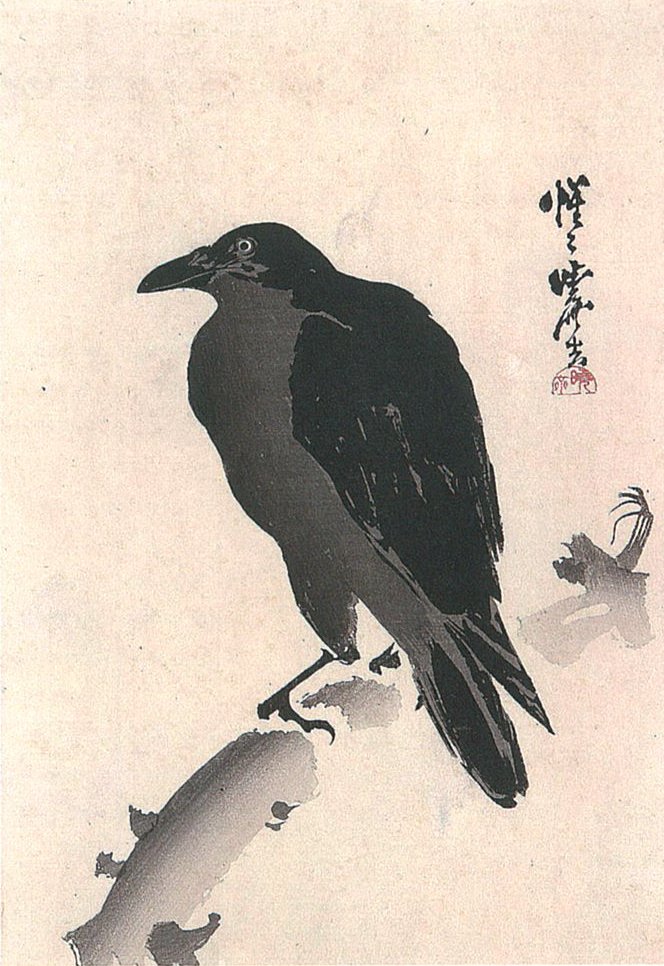
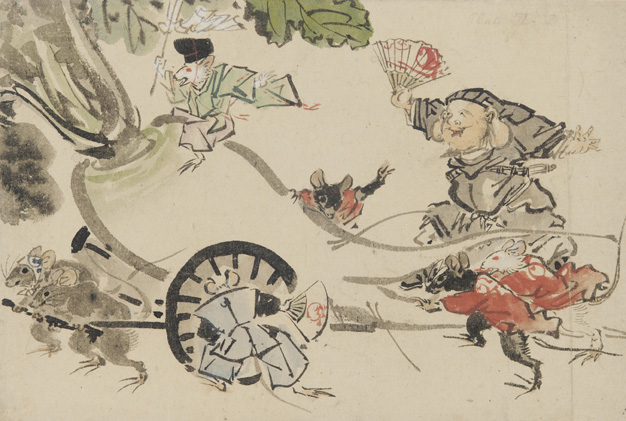
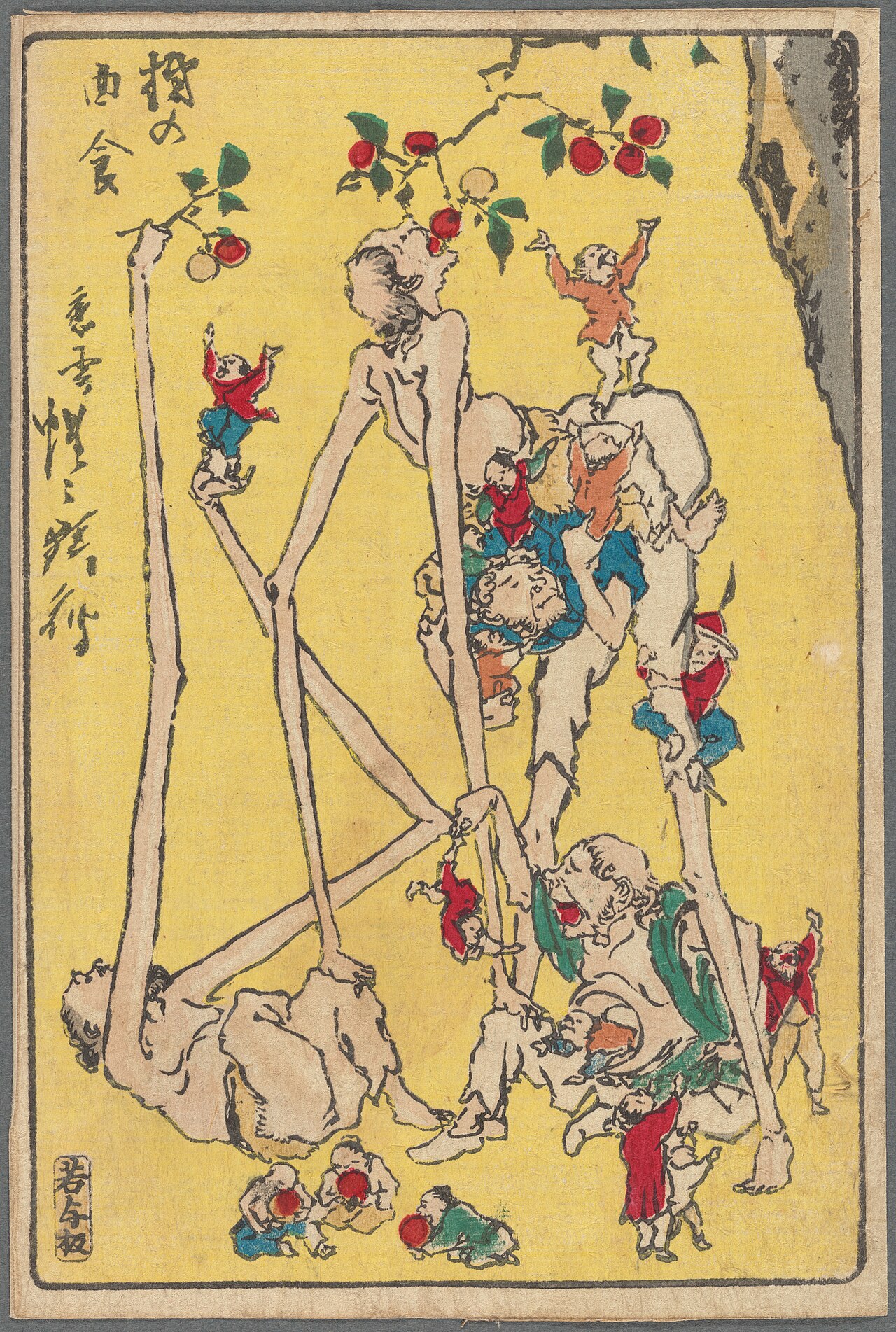
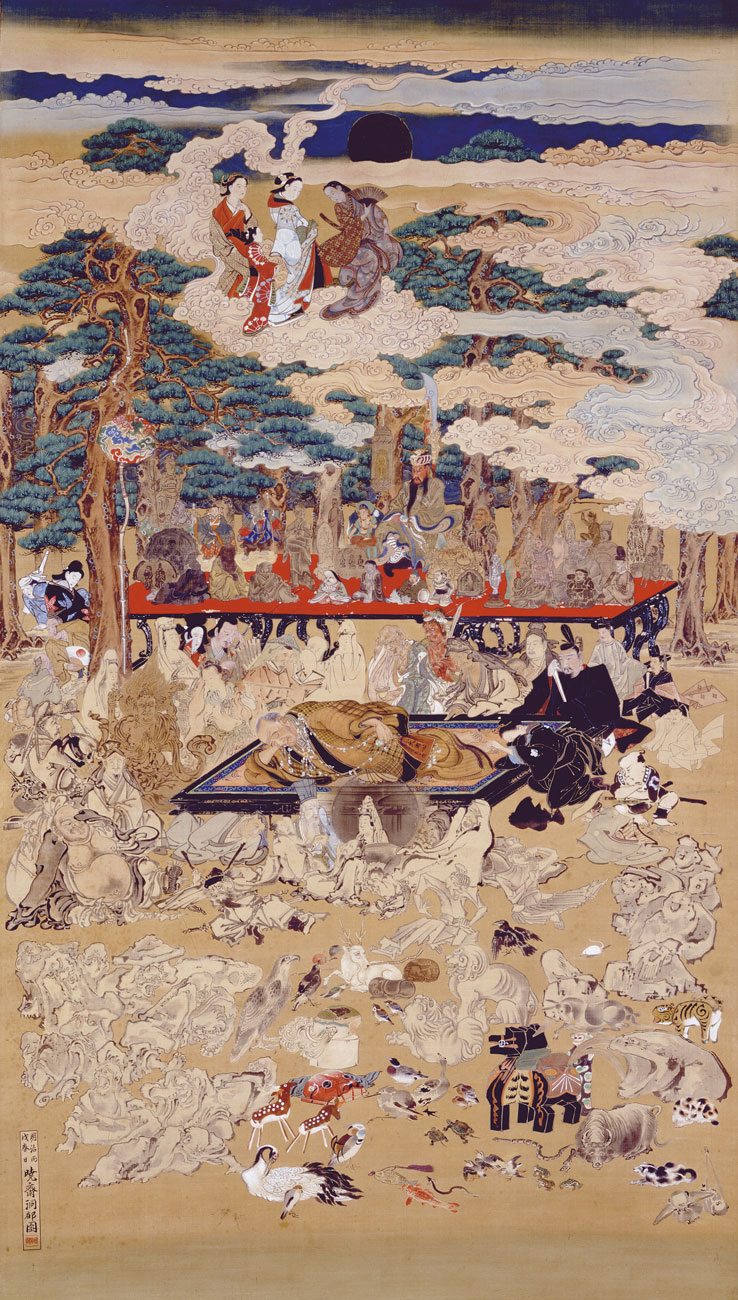
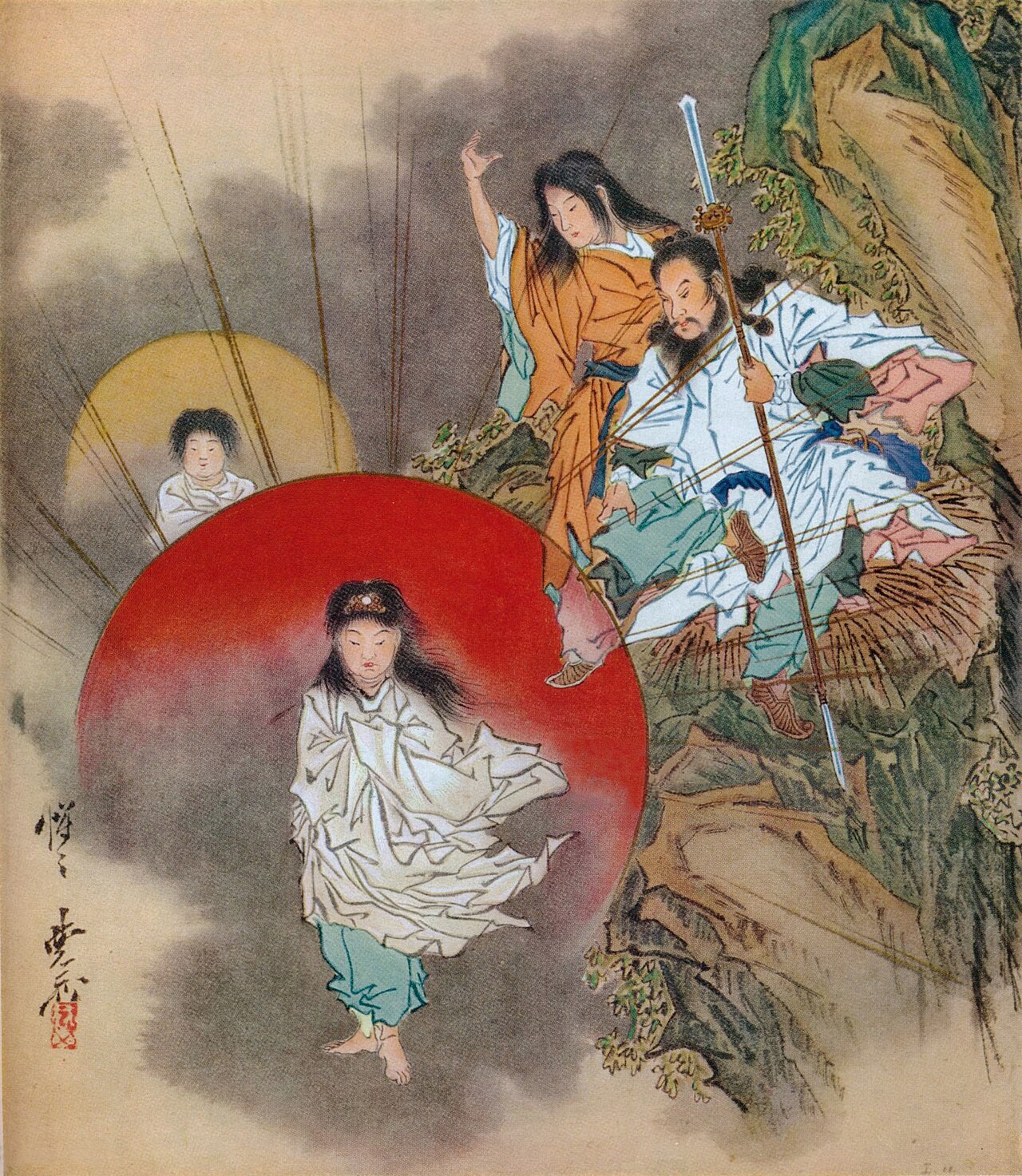
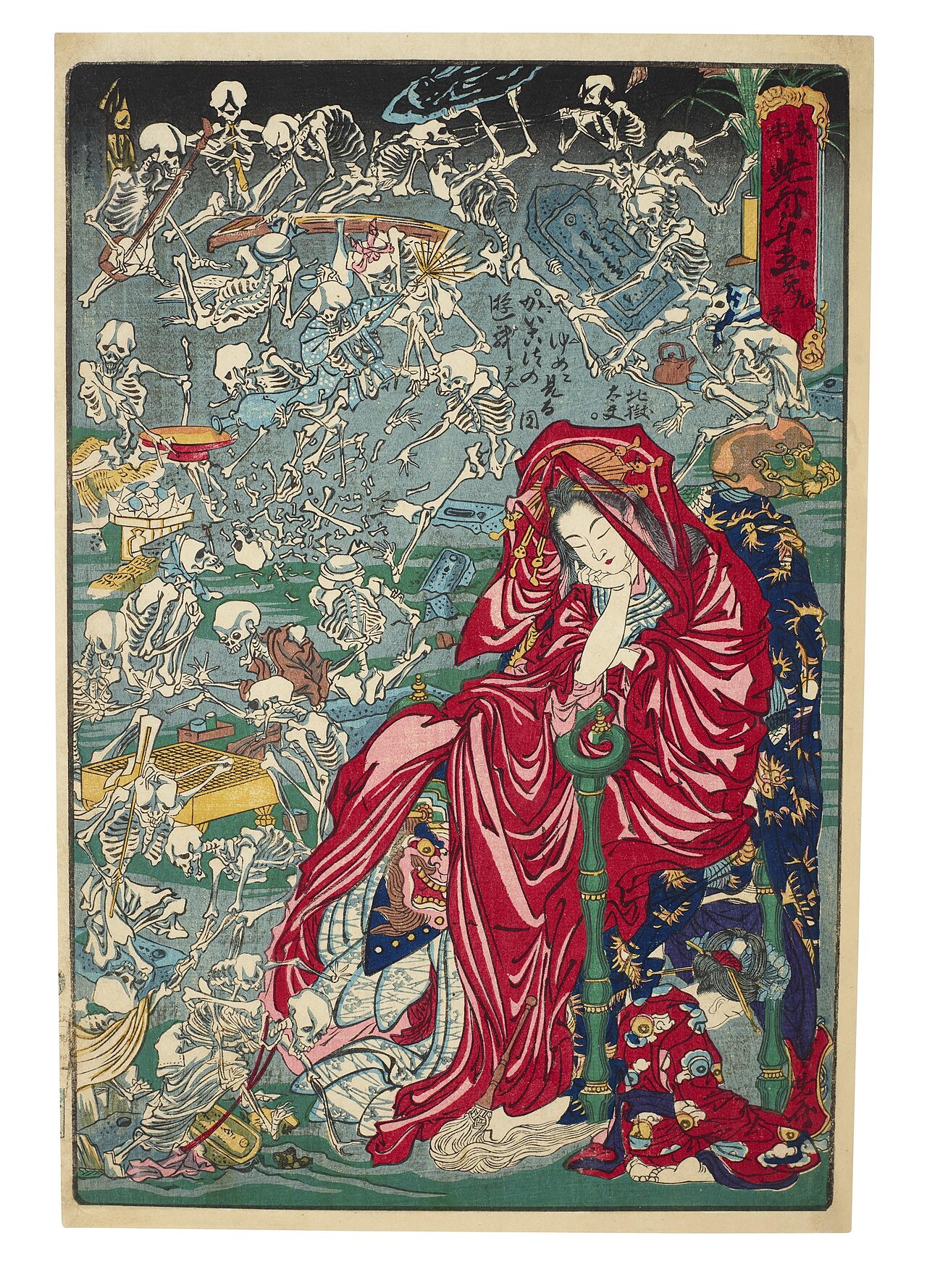
Kawanabe Kyōsai's significance lies in his role as a bridge between traditional Japanese painting and modern political satire. Living through Japan's transformation from a feudal country to a modern state, he used caricature to comment on political upheaval, often at personal risk. Kyōsai's work also reflects his technical excellence in traditional painting, drawing on Japanese folklore, Noh plays, nature, and religion. A crater on Mercury has been named in his honor.
Did You Know?
- At age nine, Kyōsai picked up a human head separated from a corpse in the Kanda river.
- His Kanō school teacher Maemura Tōwa gave him the nickname 'The Painting Demon.'
- A crater on Mercury has been named in his honor.
Gallery
Frequently Asked Questions
Who is Kawanabe Kyōsai?
Kawanabe Kyōsai (1831–1889) was a Japanese painter and caricaturist who worked across the late Edo and early Meiji periods. He is widely credited as Japan's first political cartoonist and is often called the last great virtuoso of traditional Japanese painting.
Was Kawanabe Kyōsai a student of Hokusai?
No, despite being frequently labeled Hokusai's greatest successor, Kyōsai was never actually his pupil. He forged his own independent style and is remembered as a true individualist in the history of Japanese art.
What is Eshinbun Nipponchi?
Eshinbun Nipponchi, launched in 1874, is recognized as Japan's first manga magazine and was produced by Kyōsai. It paired illustrated political satire with written commentary, effectively creating a new genre of visual journalism.
Why is Kawanabe Kyōsai considered important in Japanese art history?
He bridged traditional ukiyo-e painting and modern satirical illustration during a period of sweeping national change. His work helped establish political cartooning as a legitimate art form and influenced the trajectory of Japanese visual culture into the modern era.
What kind of political caricatures did Kawanabe Kyōsai produce?
Kyōsai drew sharp satirical portraits of government officials and social conventions during the Edo-to-Meiji transition. His cartoons gave a visual voice to public frustration and are credited with pioneering the political cartoon in Japan.
More in Asian And Middle Eastern Artists 1-24
Elsewhere in the Asian And Middle Eastern Artists universe
Spotted an error? Know more?
This is a living reference — every entry is fact-audited, and reader corrections feed straight into our audit queue. Suggest an edit · See this site's audit record