
Shōji Hamada
Japanese potter and key figure in the mingei folk-art movement.
Shōji Hamada was a Japanese potter whose influence on twentieth-century studio pottery was significant, and he became a central figure in the mingei, or folk-art, movement. Born in Kawasaki in 1894, he studied ceramics at the Tokyo Institute of Technology alongside Kawai Kanjirō under Itaya Hazan. The two became close friends, the only students at the school aiming to become artist-potters, and they worked together in Kyoto experimenting with glazes made from various minerals. Hamada was deeply impressed by an exhibition of Bernard Leach’s ceramic art and wrote to Leach seeking an introduction. They became good friends, and in 1920 Hamada accompanied Leach to England, where Leach planned to establish a pottery. After three years in St Ives with Leach, Hamada returned to Japan in 1923. He traveled to potteries, staying for weeks in Tsuboya, Okinawa, before eventually setting up his own workshop in Mashiko, northeast of Tokyo. There he committed to using only locally sourced materials, including the clay, the glazes he created, and even the brushes he made himself from dog hair and bamboo. In 1955, the Japanese government designated him a Living National Treasure, the first such honor for someone in the crafts field, following a 1954 amendment to the Cultural Property Protection Act. Following Yanagi Muneyoshi, Hamada was an enthusiastic proponent of the folk art movement, and after Yanagi’s death in 1961, he became the second director of the Japanese Folk Crafts Museum. In 1977, he opened his own museum at his home in Mashiko, displaying his collection of folk crafts. He supported young artists who moved to Mashiko, such as Shimaoka Tatsuzō and Kamoda Shōji, and provided housing and workspace for visiting potters from abroad, helping establish Mashiko as a day-tourism destination. Hamada also preserved local architecture by buying, relocating, and refurbishing traditional farmhouses and gatehouses from the Edo period on his property. He died in Mashiko on January 5, 1978. His home and museum remain open to the public.
- field
- Pottery
- nationality
- Japanese
Lore & Background
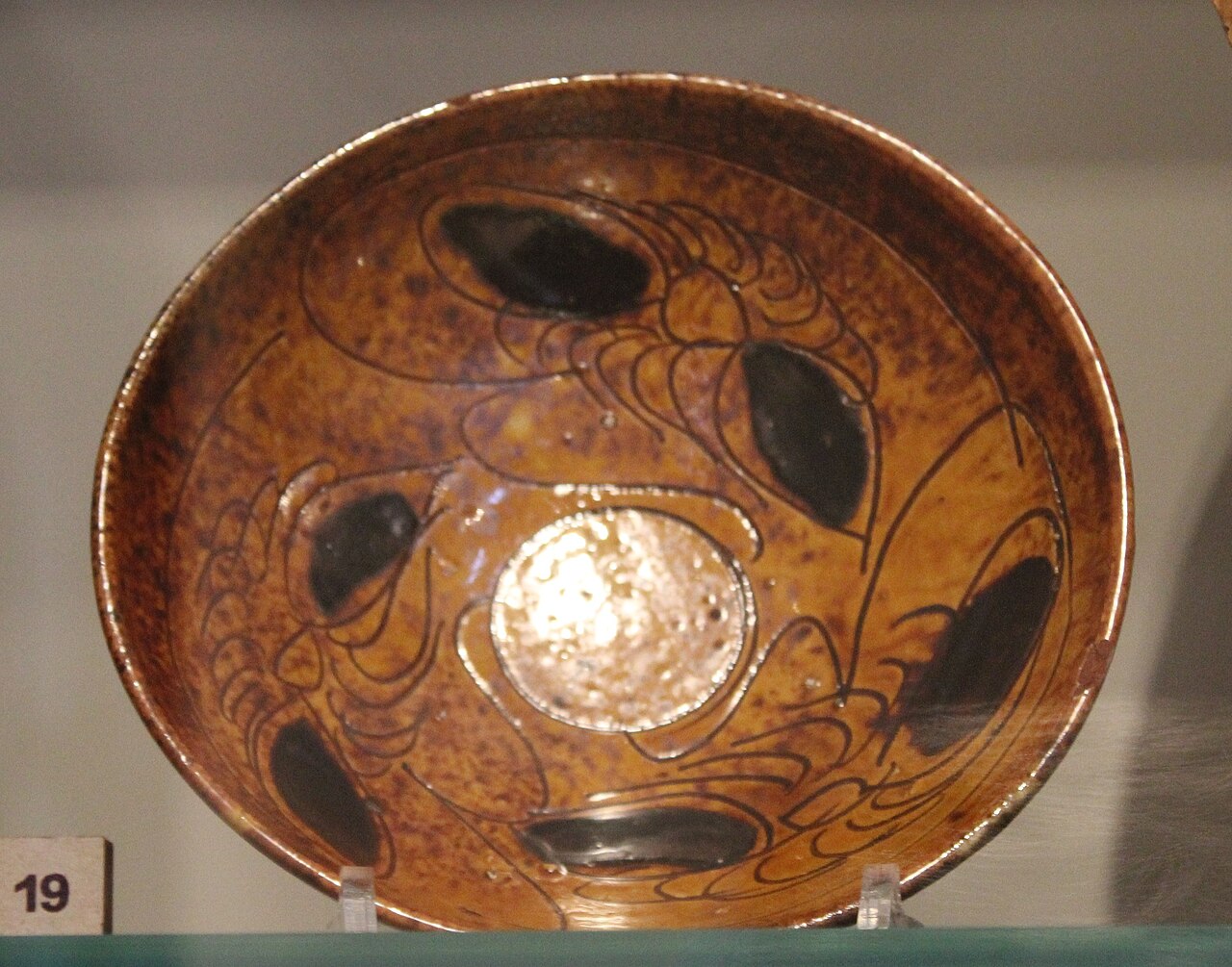
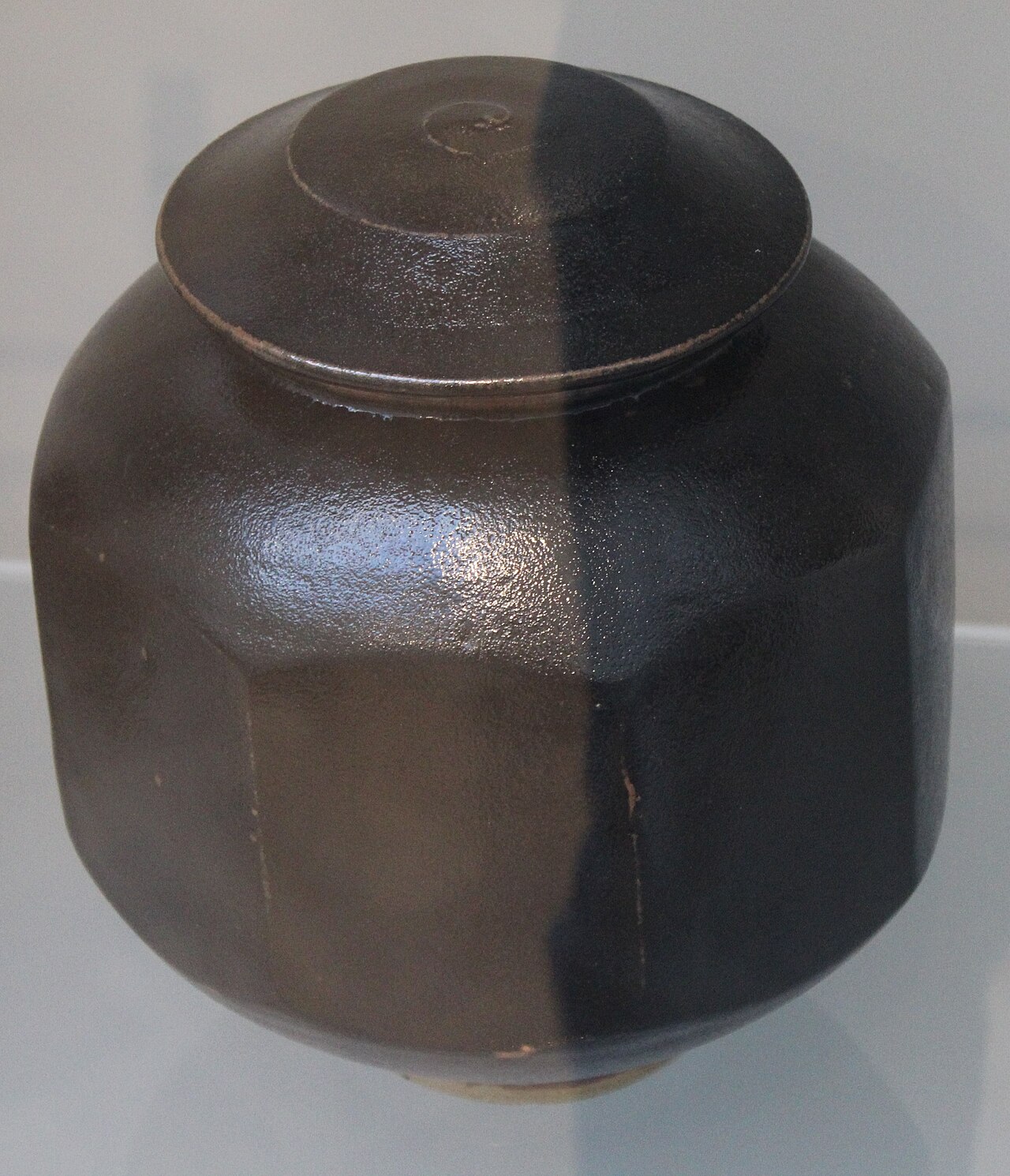
Shōji Hamada was a Japanese potter recognized for his significant influence on twentieth-century studio pottery and his central role in the mingei (folk-art) movement. He was designated a Living National Treasure in 1955, the first time this honor was awarded to a craftsperson. Hamada established his workshop in the town of Mashiko, northeast of Tokyo, which he helped transform into a major pottery center. He was committed to using only locally sourced materials, including the clay, the minerals for his glazes, and even the brushes he made himself from dog hair and bamboo. His pottery style is exemplified by thrown and combed forms, such as tea bowls, and square plates decorated with iron pigment brushwork. Hamada’s appearance is documented in photographs from the 1960s, showing him at work and in academic settings. His range of influence extended internationally; after spending three years in St Ives, England, with Bernard Leach, he returned to Japan and later participated in the influential Pottery seminar at Black Mountain College in 1952. He succeeded Yanagi Muneyoshi as the second director of the Japanese Folk Crafts Museum and opened his own museum, the Mashiko Sankōkan, to exhibit his collection of folk crafts. Hamada also preserved local architecture by relocating and refurbishing traditional Edo-period farmhouses and gatehouses on his property, one of which was later designated a cultural property. He died in Mashiko in 1978.
Reader's Guide
Shōji Hamada was a central figure in the mingei (folk-art) movement, which championed the beauty of everyday, utilitarian objects made by anonymous craftspeople. His philosophy was rooted in using only locally sourced materials; at his workshop in Mashiko, he used local clay, created glazes from local minerals, and even made his own brushes from dog hair and bamboo. He was a major influence on twentieth-century studio pottery, both in Japan and the West, where his style and philosophy became well known among potters in the United Kingdom and the United States. In 1955, he was the first craftsperson designated a Living National Treasure under Japan’s amended Cultural Property Protection Act. Beyond his own work, he was instrumental in establishing Mashiko as a pottery center and a destination for day tourism. He supported young artists who moved there, including his student Shimaoka Tatsuzō, and provided housing and workspace for visiting potters from abroad. After the death of Yanagi Muneyoshi, he became the second director of the Japanese Folk Crafts Museum. He also preserved local architecture by buying, relocating, and refurbishing traditional Edo-period farmhouses and stone warehouses on his property. Today, his works are collected by museums worldwide and fetch high prices at auction. His home and museum, the Shoji Hamada Memorial Mashiko Sankokan Museum, remain open to the public, allowing visitors to view his studio, living quarters, and craft collections.
Did You Know?
- Shōji Hamada was a major figure of the mingei (folk-art) movement.
- He helped establish the town of Mashiko as a pottery centre.
- His works attain high prices at auction.
- His home and museum remain open to the public.
Gallery



More in Asian And Middle Eastern Artists 1-24
Spotted an error? Know more?
This is a living reference — every entry is fact-audited, and reader corrections feed straight into our audit queue. Suggest an edit · See this site's audit record